
History of Pediatric Surgery in South Africa

As part of the WOFAPS History of Pediatric Surgery series, we are proud to share a collection of articles, lectures, presentations, videos, and historical archives that celebrate the pioneers, milestones, and evolution of our specialty.
Through preserving and sharing the history of pediatric surgery, we honor those whose vision and dedication laid the foundations for modern pediatric surgical care while inspiring future generations of surgeons around the world.
Join us as we explore the remarkable journey of pediatric surgery through stories, historical lectures, rare presentations, and educational resources from across the global pediatric surgical community.
The following is an article by H Rode and AJW Millar titled “History of Pediatric Surgery in South Africa”
“Die erfenis van die verlede is die saad waaruit die vrug van die toekoms spruit”.
(The heritage of the past is the seed from which the future grows)
Introduction
Surgery in some shape or form has been has been practiced in Africa since the dawn of time. This craft of primitive man, from as early as the Paleolithic period, included skull trepanations, finger amputations, circumcisions, the treatment of flesh wounds with herbs and the setting of fractures with mud pacts and bark splints. Elective surgery took the form mainly of traditional rites some of which required considerable surgical skill as in the practice of left orchidectomy in boys as recorded by early Dutch settlers in some tribes in and around the Cape of Good Hope.
The testis was removed, the vas and vessels ligated and the scrotal sac filled with sheeps fat prior to skin closure with suture with a bone needle and sinew thread. The whole procedure lasted but a few minutes and it seems most survived the experience.
Western medicine was introduced into South Africa by mostly uneducated “barber surgeons” and “apothecary-surgeons” with the arrival of Dutch settlers at what is now Cape Town, in 1652(1). They were rated in the fourth class, being grouped with constables and tree-watchers. Their surgery was no more than an empirical art limited to anatomy, the technique of opening a skull, tending of wounds and setting fractures, blood letting, draining of abscesses, lithotomies, amputations, removal of musket balls and assegai (spear) tips and crude surgical instruments(2).
Until the mid-nineteenth century there were only a few European trained doctors and unqualified medical practitioners in South Africa (3). .Training of local surgeons [usually a candidate enlisted from itinerant soldiers and sailors] was by apprenticeship to a European trained barber-surgeon. They were uneducated and not all surgeons were of good repute and the practice of surgery has less attraction for most surgeons than had commerce or exploration. There were a few notable exceptions however.
The most famous of these was James Barry, who although spending a lifetime as a physician/surgeon to the British Army and achieving the rank of Surgeon General was found to have been a normal female at her death in London in 1865. During a secondment to the Cape not only did she rapidly gain a wide reputation for excellence but became the first surgeon in the English speaking world to perform a Caesarean section (in 1826) where both mother and child survived(4).
However, as from the latter half of the 19th century, practitioners were required to be trained in Europe, initially in Holland and later in the United Kingdom. They were educated and respected and brought surgery on par with that of Europe. In the country districts medical practitioners were mainly retired regimental surgeons and immigrant surgeons from Europe.
Qualified surgeons from especially Edinburgh, London, Leyden and the Durham-University in Newcastle-upon-Tyne, England, had a profound influence on the subsequent training and practice of surgery and indirectly paediatric surgery. The first civilian hospital was established in 1818 in Cape Town. Dr Henry Bickersteth was the first surgeon with a degree (M.R.C.S.,L.R.C.P.)to practice the art of surgery in this country(2).
Hospitals exclusively designed for children were built during the 19th century in most West-European countries, Canada, Australia and the United States. Paediatric surgery as a functional discipline is considered to have been introduced as an entity separate from paediatrics, in 1802 in the hospital Enfant-Jesus in Paris (5).
However, recognition of the special nature of children’s diseases and their management was slow to develop in South Africa and lagged behind developments elsewhere in the world.
It was only just prior to the World War 1 that public awareness in South Africa was awakened regarding the special requirements of children and the potential role that hospitals dedicated to the needs of children, could play .The human tragedy and suffering that followed in the wake of World War 1, the social-economic problems of that time and the fact that there was no separate provision for children in the various Government Hospitals, were the driving forces behind these developments.
These early pioneers, mainly socially conscious women, had to overcome much prejudice and resistance from provincial authorities and from those accustomed only to the needs of adults. By succeeding in these efforts they also underscored the rightful place of pediatrics and subsequently of pediatric surgery as a major discipline.
Pediatric surgery as a discipline
The scope and practice of surgery has undergone considerable changes over the past century and can be divided into 4 phases;
The birth and infancy period: From the 1920’s to the early fifties paediatric surgery was in the hands of paediatricians and part-time surgeons. The prevailing attitude was that a surgically ill child could not be entrusted to a surgeon and senior general surgeons were scathing about a young enthusiast wanting to treat conditions such as intussusception and pyloric stenosis, which they felt were far better, managed in their own capable hands(6).
During this period many children died prior to diagnosis or were moribund on admission. The disease spectrum was dominated by sepsis, peritonitis, tuberculosis of bone and joints, bowel obstruction, empyema, burns, lymph adenopathy, urologic conditions and ear, nose and throat diseases. Only a few congenital abnormalities were reported with a generally dismal outcome.
The second period: From the early 1950’s to the middle of the 1960’s significant progress in medical sciences was made. The development of new surgical techniques and the increasing interest of surgeons who chose to specialize in pediatric surgery were responsible for the survival of children with conditions that previously were universally fatal. The surgical staff was selected from amongst those whose interest was children’s surgery 7. Another important addition has been the introduction of experimental surgery, which changed surgical practice and yielded excellent results.
The reductions in the mortality for intestinal atresia from 90% to 58% within 4 years after a change in technique resulting from experimental work carried out in Cape Town by Christiaan Barnard and Jan H. Louw is a classical example8. This period also heralded in the development of subspecialty services, the latter remaining under the auspices of adult surgeons for many years to come.
The third period – the era of recognition of paediatric surgery as an entity, from the early 1960’s to 20056, 9: Substantial and rapid advances were made during this period in diagnosis, investigations, management, prognosis and understanding the causation of diseases. The emphasis has been on the over-all care of the surgically sick child, in particular newborn infants and patients undergoing major surgical procedures.
Disease patterns also changed and the volume of work rapidly increased particularly with the development of the neonatal ICU. In recognition of the importance of this new emerging speciality, Chairs in Paediartic Surgery were established in 1975 in Cape Town and Johannesburg and in 1984 in Durban. Paediatric surgery was recognized as a subspecialty with certification by the South African Medical and Dental Council (SAM.D C) in 1983 and paediatric surgery was included from the beginning in the curriculum of undergraduate medical students. .An ever increasing number of well trained paediatric surgeons has attested to the need and value of paediatric surgery during these years.
The fourth period was when paediatric surgery became a full speciality in its own right. It was always a sub-speciality of general surgery with certification by the South African Medical Council and became a full speciality only in 2007. The speciality now requires a 6 year training period in an accredited paediatric surgical academic department with an exit examination and dissertation.
Paediatric surgery however, despite all modern developments, continues to be a challenge judging by the large number of sick children, disease patterns specific to this region, late presentations, advanced pathology and financial constraints(7).
At present there are 37 registered paediatric surgeons of whom 24 are either in university/ provincial service, 6 in private practice, 4 living outside South Africa. Three have retired from active practice. Paediatric training facilities are inspected on a regular 5-yearly basis by the Health Professions Council, examining facilities, interviews with staff and trainees to ensure that standards are maintained.
Facilities for Paediatric Surgery
The development of paediatric surgery in South Africa was greatly influenced by the establishment of children’s hospitals. Surgery was predominantly practiced within Provincial Hospitals under the auspices of university departments, where the majority of children were treated. With the rapid expansion of private hospital facilities in the 1980’s, paediatric surgery outside academic institutions developed. Initially surgery on children was performed by general surgeons with an interest and experience in paediatric surgery and later on by qualified paediatric surgeons, the majority of whom maintained an active affiliation with academic institutions.
In South Africa four children’s hospitals were built as freestanding and independent centers and one was recently promulgated as a children’s pavilion within an adult hospital. These hospitals were the Transvaal Memorial Hospital for Children (1923 – 1978), The Children’s Memorial Hospital, Durban (1931 – 1990), the Red Cross War Memorial Children’s Hospital (1956 to date) and the Pretoria Children’s Hospital (1947 – 1987).
These facilities were committed to provide active, quality, cost effective, primary, preventative and specialized care to children in need. Facilities such as these also served as regional centers and engaged in cutting-edge research in children’s health.
Sadly, three of these children’s hospitals, which became centers of innovation and excellence in child health, were closed as large academic hospitals with paediatric surgical facilities were built and maintaining a stand alone Children’s Hospital was deemed too costly.. This happened due predominantly to a lack of understanding of the specific role that a children’s hospital can play in child health as well as financial considerations10 However there is no doubt that these hospitals, played a most important role in the surgical management and care of sick children, over the past century.
Paediatric Surgery and Apartheid
The social separation of races had been present in varying degrees since early European settlement but formal separation of races was promulgated and legalized in 1948 with significant consequences for the underprivileged black communities of South Africa. Medical and Hospital services were segregated and hospitals were especially built to accommodate non-white patients, including Baragwanath Hospital in Johannesburg, King Edward VII in Durban, Kalafong and Medical University of South Africa (MEDUNSA) Hospitals in Pretoria and Pelanomi in Bloemfontein, while in others duplicated facilities were built in the same building. This system of segregation prevailed across the cities and rural areas of South Africa.
As the political climate in South Africa changed in the late 1980’s some of these hospitals unofficially changed their segregation policies and progressively became integrated. The Red Cross Hospital, as an example, had segregated wards but a multiracial cardiac surgical intensive care unit under the supervision of Christiaan Barnard was present in the 1960’s and the rest of the hospital increasingly became integrated during the 1970’s and was fully integrated by the middle 1980’s. Country wide full integration was only established in 1994.
The policy of racial segregation created moral and ethical dilemmas, which resulted in the emigration of many health professionals including paediatric surgeons. A notable number became prominent members of the international paediatric surgical community, especially in the United States, Canada, Australia, New Zealand, Israel and the United Kingdom.
Others however remained in South Africa often under difficult circumstances. They felt the need to continue serving the children of this country and engaged in teaching and researching the unique surgical problems of Southern Africa and the developing world. Over the last seven decades they have rendered exceptional services to this country and its children and in this process laid the basic and solid foundations on which pediatric surgery in South Africa exists today.
Transvaal Memorial Hospital for Children and Paediatric Surgery
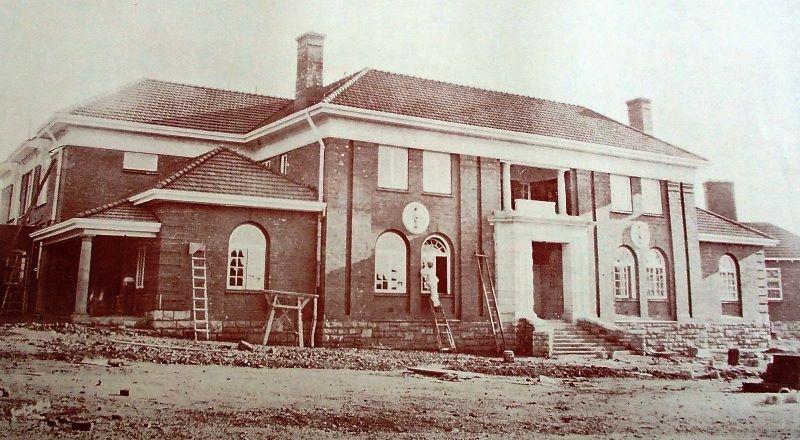
Paediatrics as an independent speciality was established in Southern Africa during the early 1920’s when the Transvaal Memorial Hospital for Children (TMHC) was formally opened in 1923 (Fig 1).

This facility over the subsequent years rendered exceptional services to the children of this country and set the foundations of what was to come. At the same time the first Faculty of Medicine was established in Cape Town with the Professor of Medicine responsible for Paediatrics until 1927 when Dr Louis Leipoldt was appointed the first honorary lecturer in Paediatrics. These were pioneering days. At both these hospitals medical and surgical cases were the responsibilities of senior paediatricians with no separate surgical departments.
At the TMHC, Dr B G Melle was appointed in the dual post of part-time honorary medical and surgical registrar. The importance of the unique role of surgery in the care of sick children was recognized soon afterwards and Mr. RA Ross was appointed to the senior post with Mr. J A Douglas as his assistant surgeon both having marked ability for clinical teaching and surgical practice 11. Shortly after the opening of the hospital the first group of medical students attended lectures in “Diseases of Children and Children’s Surgery”. Other surgeons followed in their wake over the years including Mr. A. Lee McGregor renowned for his textbook ‘A Synopsis of Surgical Anatomy’ first published in 1932 with continuing editions being published well into the 1980’s where congenital malformations and embryology were emphasized12. These surgeons and paediatricians were the first to start the long and sustained battle for the rightful place of paediatrics, and subsequently Paediatric Surgery, as a major discipline in practice and teaching in South Africa.
These early pioneers had the vision to recognize the importance of expanding the discipline of paediatric surgery and part-time surgeons were appointed to undertake care of ophthalmic, otorhinolaryngology, orthopaedic, plastic surgery and burns patients. To accommodate the growing need of surgical patients new operating theatres were opened in 1938 and adolescents were also accommodated as well as facilities for mothers.
From a modest beginning, sufficient to render basic surgical services in 1923, the Institution evolved into a modern and progressive facility able to provide adequate medical and surgical care to the children of Johannesburg and beyond. Fiscal restraints during and after the Second World War resulted in the curtailment of much needed development. For many years surgery remained the responsibility of general surgeons at these facilities. Dr.S.Trubshaw, was the first and was followed by J Douglas, A Wolfowitz and M Dinner. Dr Michael Dinner joined the staff in 1956 and was appointed full-time paediatric surgeon in 1966. In recognition of the ever increasing importance and need for paediatric surgical services, a sub-department of paediatric surgery was established with facilities in all three major hospitals in Johannesburg.
In 1969 Dr. Dinner was appointed as the first full-time head, a significant milestone for paediatric surgery. Surgeons who contributed significantly to the establishment and development of a vibrant and dynamic department included Jack Wolpowitz, Jos Lannon, John Beck, Lewis Spitz, P Perdikus and John Chappel. They had to be expert in general paediatric surgery , urology, thoracic and neurosurgery and were masters in embryology, anatomy , surgical technique and patient care. From the onset part time surgeons also played an essential role in clinical and academic activities –M Katzen, “Buzzy”Gampel, F Kalk , S Skapinker ,W Saunders, and E Kessler. Dr Dinner retired in 1978 and his chair was subsequently filled by J Chappell(13).
The national policies of segregation created a very difficult situation and to accommodate all the sick children, additional hospitals were built or others converted. For many years paediatric surgery remained the responsibility of junior consulting surgeons at the TMHC, Baragwanath and the Coronation hospitals. The Baragwanath Hospital, initially a British military hospital during World War 11 and subsequently tuberculoses facility, opened to black patients in 1948. Coronation Hospital was designated for Indian and Coloured patients (mixed race). Integration of patients in these hospitals was finally achieved after 1994.
With the opening of the new Johannesburg Hospital situated in Parktown the clinical facilities at TMHC were run down and closed. Paediatrics were one of the first group of patients to be transferred into this hospital, into a new block, the yellow coded section exclusively designated for paediatric cases. Within the x-ray and operating theatre sections custom design facilities for these patients were provided for. From 1978 white and in special instances patients of colour were admitted to surgical wards at this hospital. ICU beds were shared with paediatrics. Paediatric surgical cases at Coronation Hospital were managed by the Johannesburg Hospital staff where an outpatient’s clinic and weekly minor case surgical lists were performed.
The paediatric surgical services at the Baragwanath Hospital and Johannesburg Hospitals functioned as entirely separate units offering equal patient care except for organ transplantation which was done only at the latter hospital. This situation subsequent to full racial integration during the 1990’s has remained unaltered. Professor MRQ Davies succeeded John Chappell in 1983. Consultant staff during his tenure were Peter Beale, Graham Pitcher, P Erpicum; at the Johannesburg Hospital and J de Fonseca, B Saunders , F Kalk, A Mohamed, M Selebe, B. Banieghbal at the Baragwanath Hospital. K Lakhoo functioned in a similar fashion for a short period of time as did Leonie Schoeman. By virtue of the national and international standing these units both have drawn postgradual fellows on secondment from many centres across the world. Training at Baragwanath and the General Hospital was sought after by especially trainees from Israel; Uri Kovacs, Bassem Kawar, Asher Pressmen, Meier Goldberg, Tommy Oksenberg, George Mogilner, Leo Siplovitch and others – M Barrett, A Kiss, D Prusniefsky(14).
The King Edward VIII Hospital and Paediatric Surgery
Another centre in South Africa where paediatric surgery developed as an independent discipline was in Durban at the general teaching hospitals affiliated to the University of Natal 15,16. The King Edward VII Teaching Hospital was established in 1936 and the Natal Medical School in 1951. Ten years later a children’s surgical service was introduced under the directorship of Professor David Chapman, a general surgeon. The children’s ward was on the top floor of a four story building .The open plan ward was subdivided into 4 sections, one for neonates, for older children, for burns and for orthopedics ( mostly osteitis and fractures ). Professor Chapman performed all the neonatal surgery at that time. Dr R Mickel returned after 4years at the Royal Hospital for Sick Children in Edinburgh and was appointed as senior registrar in the professorial unit, partly responsible for children.
Although facilities, surgical techniques, anesthesia, pre and post-operative care were still in their infancy, they had to deal with every pathology from cleft lip, spina bifida, fractured femurs, esophageal atresia, tumors, snake bites and the rest of the paediatric surgical spectrum. Dr Mickel was a very innovative surgeon and amongst many other contributions designed special warming methods during surgery and a unique operating table, transparent to X-ray. When Professor Chapman left to become a missionary, the paediatric work load was shared with adult surgeons notably Professor L Baker, Leslie Linder, Bunny Angorn and others who managed children while on call.
However at the beginning of the 1970’s the work load became excessive and, Dr Mickel still had to manage adult patients and the support from pediatricians remained limited. It was only after future pediatricians served as surgical registrars that the prevailing attitudes changed. As part of amalgamating all surgical departments into a division of surgery, paediatric surgery was established as a separate sub-department on the 1st February 1975 in the Division of Surgery and as a separate and independent department in March 1984. In 1974 an additional full-time paediatric surgical post was created and Dr. Donald Nuss was appointed from 1975 to 1977 and was subsequently succeeded by Dr. David Lloyd, who brought research and clinical excellence to the department. This tradition of service delivery and searching for answers to surgical diseases of Africa was further expanded and developed with the appointments of Larry Hadley in 1983 and Rinus Wiersma in 1986. Additional staff included E Simpson, Jose Carvalho D Constantinides, H Grant, Amadeo Zanotti, Samad Shaik and Mohammed Sheik-Gafoor. As in other parts of South Africa, part-time consultants rendered excellent services to the department. Mike McCormick, Anvir Goga, Dileza Mji, Craig Campbell and R Mickel on retirement. During the 1980’s and onwards a number of trainees from across the world were educated in the principles and practice of paediatric surgery; Jose Carvalho , Amadeo Zanotti, Erroll Simpson , Vivienne Breckon, Samad Shaik and Mohammed Sheik-Gafoor.
The third Chair in Paediatric Surgery was established at this University in 1982 with Professor Robert Mickel as the first incumbent was followed by Larry Hadley in 1989.
In 1974-1975 a metropolitan pediatric surgical service was established which included beds at the Addington and RK Kahn Hospitals. These facilities were for white, Indian and Coloured patients. Black patients were treated at the King Edward VII Hospital. Although separate the same surgical staff rendered the services at these hospitals. Building of an ultra modern hospital, the Nkosi Albert Luthuli Central Hospital was completed in 2002 where all tertiary paediatric surgical services are now been concentrated.
The history will not be complete without reference to the Children’s Memorial Hospital in Durban (Fig 2). It was a beautifully constructed child friendly hospital on the beach front, serving the need of sick children with great efficiency and pride. Women’s guilds created the memorial and commemorative wards and decorated them with stainless glass window, nursery rhymes and other architectural features – a home from home for sick children. The hospital was predominatly for white and coloured children from 1977 onwards and black children were treated at the King Edward VIII Hospital. The types of illnesses encountered have changed over the years with medical science and immunization have gained control over many diseases which used to fill the wards – polio, TB, measles and rheumatic fever to mention a few. The infrastructure and old fashioned operating theaters could not accommodate the increasing demands for services and the hospital was allowed to deteriorate slowly. The doors were closed in the 1990’s(15).
The Red Cross War Memorial Children’s Hospital and Paediatric Surgery
Although the Cape Hospital Board was considering establishing a children’s hospital from 1918 the first 22 bed children’s hospital in Cape Town, the Dennis Buxton Memorial Hospital for Children, was only erected in 1920 .Thereafter nothing further was done apart from providing children’s units in the various Peninsula hospitals . However, paediatric surgery was of little interest to general surgeons and the children’s general wards in the Groote Schuur Hospital were occupied mostly by patients suffering from burns, chronic osteitis and empyema. Neonatal emergencies were almost universally fatal. The advantages made in surgery during the Second World War and the return of medical ex-serviceman left a lasting influence on surgical practice.
Operative techniques had become gentler, operative mortality less and results vastly improved. It was only in 1948 that Dr JH Louw*, (Nuffield Dominion Traveling Fellow 1951) whose interest in paediatric surgery was awakened by Mr. David Waterston from the Great Ormond Street Hospital for Sick Children, whom he met while on active service in North Africa during WW2 and the birth of his first son with intestinal atresia, was put in charge of all 28 general surgery beds for children in the adult Groote Schuur Hospital. These beds were eventually consolidated into a proper paediatric surgical department in 1952. .
Children’s wards were under the care of paediatricians and surgeons were mostly regarded as technicians with the senior pediatricians firmly in control of the diagnosis and the pre and postoperative care. Under Dr. Louw’s care paediatric surgery flourished and he set an example in patient care that few could emulate. Professor Louw is regarded as the Father of Paediatric Surgery in South Africa. When the Red Cross War Memorial Children’s Hospital opened in 1956, 50% of the allocated beds were for surgical patients, an indication of the new philosophy and urgent need for facilities (Fig 3).

Sid Cywes (1961) was the first surgeon in South Africa to restrict his practice entirely to the surgical care of children and in 1975 succeeded Professor JH Louw as Head of Paediatric Surgery when he was appointed to the newly established Charles FM Saint Chair of Paediatric Surgery at the University of Cape Town. Mr. Arnold Katz, a general surgeon who had spent time at the Hospital for Sick Children, Great Ormond Street was appointed in 1961 as part time surgeon in charge of a general ward as well as the children with osteitis. and Dr. R van der Riet (1966) assisted with overall management of the burns ward although the surgical management of the burn wound was done by part time plastic surgeons
Significant developments and expansion occurred during the 1970-1990 period with the establishment of a neonatal surgical unit with neonatal intensive care (1976), a general intensive care unit (1985), a trauma unit (1984), liver transplantation (1987) and on-site renal transplantation (2000). The Burns unit developed under the headship of H Rode to one of the largest and most successful in the world treating up to 900 burned children a year. The Child Accident Prevention Foundation of Southern Africa (1978) was established to try and raise awareness and focus attention on the devastating effect of the trauma epidemic in children. A day case surgical unit was opened in the 1960’s and effectively run by 3 surgically trained general practisioners ; A Bass, J Levitt and I Gordon.
Further appointments were made in 1974 with Dr’s M Davies ,H Rode 1975, AJW Millar 1984, D Bass (Trauma) 1987, RA Brown 1988, SW Moore 1990, A Van As (Trauma) 1999, -A Numanoglu 2001, S Cox 2005, J Karpelowsky 2006 and A Alexander, 2007. Subspecialty services were also developed as adult specialists began to focus more on their paediatric practice. Foremost amongst these was Ian Aaronson who was appointed as Urologist in 1978 to be followed by Larry Jee in 1987.
Pediatric surgeons recognized from the beginning that they were confronted not only by common diseases but also by surgical pathologies predominantly seen amongst children from the developing world.17 Much of their scientific and research efforts were directed towards finding solutions for these. The first major contribution dealt with the clinical and experimental work on intestinal atresia, which was internationally acclaimed and paved the way for intra-uterine foetal surgery8. Other interests have been in the fields of trauma , congenital abnormalities, Hirschsprung’s disease oncology, caustic injuries , ano- rectal abnormalities, conjoined twins, thermal injuries, and diseases unique to the developing world such as parasitic infections and surgical infections of soft tissues and bone(18). A high incidence of conjoined twins has been noted in Southern Africa resulting in the Red Cross Children’s Hospital having one of the largest single centre experiences, with 47 sets seen since 1964.18 Professor Louw was awarded the coveted Denis Browne Gold Medal from the British Association of Paediartric Surgeons in recognition for outstanding contributions to paediatric surgery.
The hospital’s exceptional value to paediatric surgery is underscored by the training of 84 surgical fellows over 5 decades, many who have filled chairs or became heads of departments in their respective countries; South Africa, Canada, Argentina, Brazil, Paraguay, the USA, England, Australia, Iran, Taiwan , Israel and and several countries in Europe. Since 1994, 13 postgraduate fellows from Sub- Saharan countries particularly from Cote d’ Ivoire, Cameroon, Gabon, Nigeria, Kenya, Malawi, Tanzania have been trained and have returned to their individual countries
Pretoria Academic Hospital and Kalafong
There is very little information regarding the management of children in the Province of Northern Transvaal during the 19th and early part of the 20th century. The foundation stone for a general hospital in Pretoria was laid in 1927 and children were accommodated in this new hospital. In 1947 some paediatric patients were moved to prefabricated wards that were converted into a medical facility for children. These wards were originally for World War 2 convalescent soldiers. However, both black and white surgical children were managed in the general hospital in separate but equal facilities. The Andrew McColm Hospital was earmarked as a potential racially integrated children’s hospital, but because of administrative indifference and national segregation policies, the hospital never materialised and paediatric surgical services remained spread out through the main hospital complex(19).
CH Derksen, Professor of general surgery was the first surgeon to practice some paediatric surgery and establish a sub-department of paediatric surgery in Pretoria20. He spent time at the Alder Hey Children’s Hospital, Liverpool and the Hospital for Sick Children, Great Ormond Street in 1963. He was succeeded by Dr JJ Jacobs who took a great interest in surgical conditions of childhood.
Dr Jacobs received post graduate training in Paediatric Surgery at the Great Ormond Street and Red Cross Children’s Hospitals and returned in 1961 to be appointed as part-time head of the paediatric surgical unit in Pretoria. Dr Jacobs, with his enthusiasm and dedication had a profound influence on young surgeons and no fewer than 9 of his prodigies pursued a lifelong career interest in paediatric surgery, namely JB Fichardt MRQ Davies, H Rode, CJC Nel, JHR Becker, P Beale, M van Niekerk, C Schoeman and A Jacobs(21).
Dr Jacobs was succeeded by Professor Becker who trained with Professor Dan Young at the Yorkhill Children’s Hospital in Glasgow in 1980. Paediatric surgical services were also expanded into the Kalafong hospital complex in 1973 and was designated for black children. With minimum technology, hard work and dedication, even to the extent of ventilating children by hand for up to 72 hours and good nursing care, results were acceptable.. Professor G.O Ionescu became head of the department in 1993 and he was followed by Dr C Schoeman and Dr E Muller. Professor Becker published a handbook on paediatric surgery in Afrikaans entitled “Kinderchirurgie – ‘n werksboek”(A Handbook of Paediatric Surgery) in 1992.
Paediatric surgery in the private sector was performed by general surgeons at the Zuid Afrikaanse Hospitaal. Dr CAR Schullenburg was the driving force behind this development in 1976 .At that stage there was little co-operation between surgeons and paediatricians. Surgery was after this period predominantly performed by Dr I Venter, N Grobbelaar and subsequently by Dr M.L. van Niekerk, although general surgeons continued to manage the non complicated paediatric surgical conditions.
Karl Bremer and Tygerberg Hospitals
The establishment and clinical practice of paediatric surgery at the University of Stellenbosch Medical School began in 1965 with the appointment of R Van Der Riet, a general surgeon in private practice with a particular interest in thermal injuries22. As he bagan his work he found himself challenged by the management of children with thermal injuries and it became a lifelong interst. In 1972 the 70 bed unit was moved from Karl Bremer Hospital to the new Tygerberg Hospital, and served as the referral hospital for major pathology from the North-Western part of the country and Namibia.
The department remained within the main structure of the adult hospital, although several attempts were made to establish a children’s hospital during the 1970’s. All children’s services were eventually consolidated in 2005 into a children’s pavilion with 300 beds.
The first head was J J Heydenrych, who was a general surgeon/engineer and received post graduate training in Liverpool, Sheffield, Bristol and London during 1970 -1971. Upon his return in 1971 paediatric surgery was consolidated as a separate discipline within the department of general surgery. He was an early investigator into organ transplantation especially liver and pancreatic transplantation. He was innovative and resolved many technical problems pertaining to the surgical management of children. Professor S W Moore was appointed in 1991 as the second head of the department D Sidler, M McCormack, B van Vuuren and K Saczek trained under his tutelage. Paediatric surgery had undergone significant developments as a speciality particularly in terms of technical achievements expanding academic programmes and the development of new services. In 2007 the department attained the status of a full division within the University of Stellenbosch.
Bloemfontein and paediatric surgery
In Bloemfontein paediatric surgery was performed by general surgeons in private practice on part-time bases at provincial level before the medical school was established in 196823. Major cases and congenital abnormalities were referred to larger centres. Dr JB Fichardt, a general surgeon in private practice, was appointed on a sessional basis in 1973 at Pelanomie Hospital to attend to paediatric surgical cases.
All paediatric surgery was performed except anorectal malfomations which were referred to the Witwatersrand, Pretoria or Cape Town for specialized care. In 1975 Dr CJC Nel, who was a fulltime consultant in the department of surgery, continued this service after his appointment as Professor and Head of the department of Surgery. From 1982, Dr R Barry assisted with the paediatric surgery. He was followed by Dr S Smit for 2 years. Dr Alic Jacobz, a general surgeon was appointed part-time Head of the department of paediatric surgery.
He reorganised and upgraded the Department and attended to paediatric surgical patients, both at Pelanomie and the Universitas hospitals. In 1995, he left for the Middle East. During his tenure, he was responsible for postgraduate surgical training in paediatric surgery. Following his departure, Dr Andre Loubscher attended to the paediatric surgical patients. In January 2003, Dr Esme Le Grange, who trained at the Red Cross Hospital, was appointed fulltime Head of the department of paediatric surgery. She was in fact the very first fully trained paediatric surgeon appointed at Bloemfontein and is currently responsible for training general surgical registrars.
Paediatric Surgery in the Eastern Cape
The Eastern Cape developed slightly different medical traditions from the Western Cape. The majority Xhosa population had healing practises of their own while White medical practice had become more remote from modern western medicine. Missionary medicine was relatively under developed at this period in this frontier territory. The advent of the British Settlers after 1820 placed a strong British stamp on the practice of Eastern Cape medicine. British military doctors also encouraged scientific societies and in the absence of other medical men treated civilians both black and white(24).
As in other parts of South Africa paediatric surgery was initially practiced by general surgeons some of whom worked as general practitioners although they had FRCS qualifications25. By the 1930’s surgery was done in East London at the Frere Hospital by a group of GP surgeons including Drs Andrew Pollock, Philip Ziervogel, George Smyth and Dr Alabster and in the post war years by Tom Baker, Ken Goldstein and Jack Watt. The first specialist surgeon was Dr Jan Hofmeyer in the 1950’s.
East London functioned as the main referral centre for a vast rural area. Surgery was also practiced at many of the mission hospitals scattered throughout these areas. Dedicated and committed ex-patriot doctors worked in these hospitals and maintained at least a rudimentary paediatric service. Unfortunately patients presented late, special investigations were limited and transport rudimentary. Surgical practice consisted of corrections of anorectal malformations, exomphalos, myelomeningocele, cleft lip and palate, appendicitis, intestinal obstruction and burns.
By the 1960’s a number of qualified surgeons and other specialists migrated to this area including Peter Comfort and Arthur Webster who added their experience to those of the GP surgeons. The status quo remained with general surgeons both in the public and private sectors treating neonates and the surgical conditions of children. Children with cancer and major congenital anomalies were referred to Cape Town for management.
In 1995 at the invitation of the MEC for health, Dr Colin Lazarus, a general surgeon with addition training in Paediatric Surgery was invited to establish the Eastern Cape Paediatric Surgical Service in East London, with the aim of being a main referral and training centre for the Eastern Cape. Under trying circumstances the department developed into an excellent service platform covering the full range of general paediatric surgery, neonatal surgery, paediatric urology, and oncology. The department now have 3 consultants, registrars in training and medical officers. Since 2003 the department wass recognised as one of 7 accredited training centre for paediatric surgery in South Africa
Paediatric Surgery in Port Elizabeth began in the Livingstone Hospital in 1964 as a sub department of general surgery. Mr. D. Procter, a general surgeon was responsible for paediatric surgery and he was replaced in 1969 by Mr. M. Wynne. After some years Dr CS Hoffman was appointed. In 1994 Mr Procter returned with responsibilities to manage children with surgical diseases, an important development at that time. In 1996 Dr Ricardo Gonzales Vergara, a Cuban paediatric surgeon came to South Africa under the government to government agreement and joined the department of paediatric surgery in 1998. He has maintained and expanded a comprehensive paediatric surgical service for that region.
Introduction of specialist paediatric surgery was delayed in the rural areas of the Eastern Cape. Prior to 1988 all general paediatric emergencies were performed by general surgeons attached to the Umtata General Hospital. Neonatal surgery and surgery on infants was only occasionally done at the hospital when expertise from general surgeons was present. All the remainder were referred to the King Edward Hospital in KwaZulu Natal. Dr Charles Tackie, a Ghanaian Paediatric Surgeon commenced work at the Umtata Hospital in May 1988.
Great difficulties were initially experienced in areas such as Paediatric Anaesthesia, Paediatric Intensive Care and the availability of trained paediatric nurses. He educated, trained and developed a functional 47 bed unit which was reallocated in 2004 to the Nelson Mandela Academic Hospital in Umtata.
South African Association of Paediatric Surgeons
In 1970 the South African Journal of Surgery devoted a special issue exclusively to paediatric surgery. Professor Sid Cywes proposed the formation of an Association for Paediatric Surgeons in 1974 which was enthusiastically endorsed by Professors M Dinner and JH Louw.

During the golden Jubilee Congress of the South African Medical Association, the South African Association of Paediatric Surgeons was established on the 16th July 1975 (SAAPS) (fig 4). This was indeed a red letter day in the annals of Paediatric Surgery in South Africa.

Professor JH Louw was elected the first President and Professor Peter Rickham as the first honorary member. Biennial multidisciplinary conferences with the South African Paediatric Association (SAPA) have been held since 1975 and is the show case for academia and research. Subsequently honorary membership has been bestowed on 43 eminent surgeons from across the world and this association has been most beneficial to South African Paediatric Surgery over the years. Eponymous JH Louw Lectures addressing new frontiers in Paediatric Surgery have been delivered on 12 occasions. The Association has 107 members and 43 honorary members.
Colleges of Medicine of South Africa
The Colleges of Medicine was founded in 1954 and functions as an independent national post-graduate examining body for registration. All paediatric surgeons in South Africa have qualified either through universities or through College examinations.
An exit examination was introduced in 2002 and 17 surgeons have since qualified as paediatric surgeons. The College has since 1990 conferred Honorary Fellowships on 5 eminent paediatric surgeons ; E Durham Smith (Australia), S Cywes (South Africa), B O’Donnell, (Ireland); L Spitz (United Kingdom); J Boix-Ochoa (Spain).
What about the future?
Much of the history of paediatric surgery in South Africa is reflected in the writings of its paediatric surgeons, JH Louw, Sid Cywes, B Mickel , Mike Davies, Larry Hadley, Sam Moore, Alastair Millar, Heinz Rode, Rinus Wiersma, Peter Beale, Rob Brown, Colin Lazarus and Graham Pitcher. Many others following in their tracks have contributed their services, research and teaching with equal ability and devotion.
For more than a century many idealistic men and women have fought for the interest of children and treated the sick with great loving and dedicated care. They deserve our gratitude, admiration and acknowledgment.
We are celebrating their traditions, their philosophy and their teachings .It is incumbent upon the current and future generations to continue to build on the solid foundations that have been laid by our ancestors.
Working and living in Africa calls for a particular dedication to serve the children of this Continent, a commitment, which they desperately need and so richly deserve.
References
1. Laidler P., W., Gelfand, M., South Africa: Its Medical History 1652 – 1898. 1971.
2. Louw, J.H., In the Shadow of Table Mountain. 1969.
3. Bornman, P.C., et al., Surgery in South Africa. Arch Surg, 1996. 131(1): p. 6-12; discussion 13.
4. Du Preez, H., Dr James Barry: The early years revealed. SAMJ, 2008. 98(1): p. 52 – 58.
5. Ehrenpreis, T., 100 years of pediatric surgery in Stockholm, with personal memories from the last 50 years. Prog Pediatr Surg, 1986. 20: p. 17-33.
6. Cywes, S., A. Millar, and H. Rode, From a ‘louw’ beginning…paediatric surgery in South Africa. J Pediatr Surg, 2003. 38(7 Suppl): p. 44-7.
7. Editorial: Paediatric Surgery – has it arrived. S Afr Med J, 1967: p. 1047-1050.
8. Louw, J.H. and C.N. Barnard, Congenital intestinal atresia; observations on its origin. Lancet, 1955. 269(6899): p. 1065-7.
9. Bickler, S.W., J. Kyambi, and H. Rode, Pediatric surgery in sub-Saharan Africa. Pediatr Surg Int, 2001. 17(5-6): p. 442-7.
10. Rode, H., M.R. Davies, and A. Berg, The rise and fall of children’s hospitals in South Africa. S Afr Med J, 2006. 96(9 Pt 2): p. 849-53.
11. Heymann, S., The Transvaal Memorial Hospital for Children, 1923-1973. S Afr Med J, 1973. 47(40): p. 1827-33.
12. Lee McGregor, A., Du Plessis, D.,J, Synopsis of Surgical Anatomy. 1932. First Edition.
13. Davies, M.R., Chappel, J., Kotzen, M., Kessler, E, Personal Communication 2006.
14. Veller, M., Department of Surgery, University of the Witwatersrand–a brief history. S Afr J Surg, 2006. 44(2): p. 44-51.
15. Mickel, R., Winship, B., Hadley, G.P., Personal Communication 2006.
16. Robbs, J.V., History of the Department of Surgery, Nelson R. Mandela School of Medicine, University of KwaZulu-Natal. S Afr J Surg, 2005. 43(4): p. 154-7.
17. Louw, J.H., The first two decades of the Red Cross War Memorial Children’s Hospital. S Afr Med J, 1976. 50(27): p. 1037-47.
18. Rode, H., et al., Four decades of conjoined twins at Red Cross Children’s Hospital–lessons learned. S Afr Med J, 2006. 96(9 Pt 2): p. 931-40.
19. Becker, J., H., Haasbroek, A., Personal Communication 2006.
20. Mieny, C., J., The history of the Faculty of Medicine of the University of Pretoria 1943-1992. Chirurgie, UP Geneeskunde, 1993: p. 55 – 64.
21. Franz, R.C., C.J. Mieny, and J.H. Becker, The Department of Surgery: University of Pretoria. S Afr J Surg, 2005. 43(1): p. 6, 8-12.
22. Moore, S., W., Heydenrych, J., J., Personal Communication. 2006.
23. Theron, E., Personal Communication 2006.
24. van Heyningen, E., Medical practice in the Eastern Cape. Clio Med, 2004. 74: p. 169-94.
25. Lazarus, C., Personal Communication 2006.
